

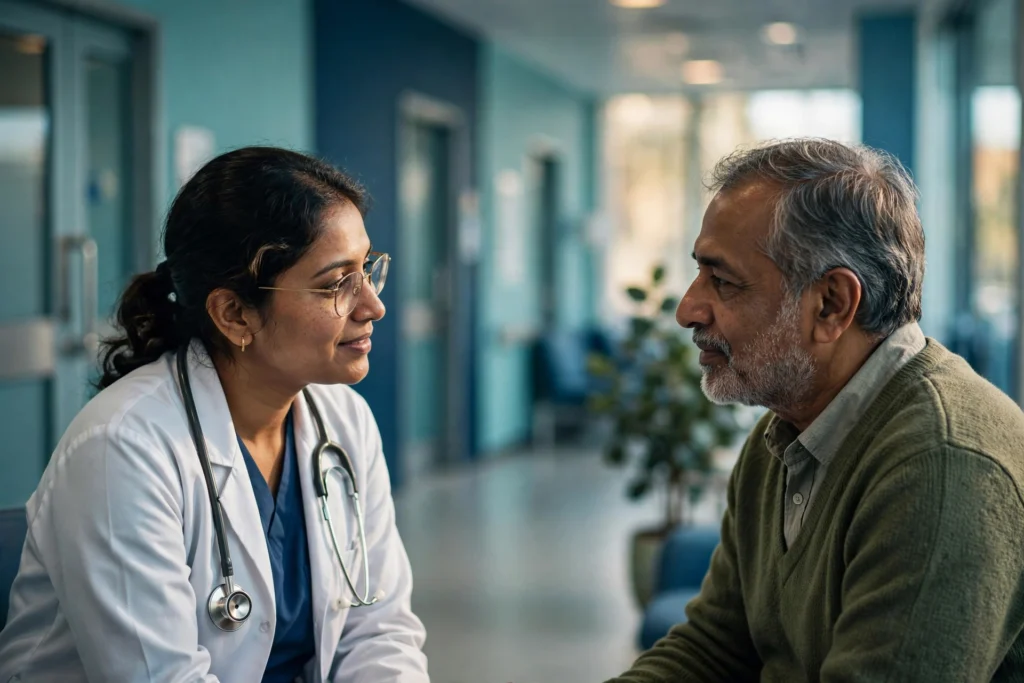
Caring for aging parents is one of life’s most meaningful responsibilities — and in a city like Patna, where joint families are still common but younger members often work long hours, it needs planning, not just love. This guide to senior citizen health care in Patna covers the essentials: which checkups matter, how to make the home safe, what to feed them, and how to handle emergencies — practical advice for real families.
Why Elderly Health Needs Special Attention
After 60, the body changes in ways that demand a different approach:
- Multiple conditions together — diabetes with hypertension with arthritis is the rule, not the exception. Medicines must be managed as a set, not one by one.
- Symptoms hide — heart attacks in the elderly may show as breathlessness or fatigue, not dramatic chest pain. Infections may show as confusion, not fever.
- Falls are dangerous — a simple slip can mean a hip fracture and months of bed rest.
- Medicines hit harder — slower metabolism means doses and side effects need closer watching.
The good news: with regular monitoring and small daily habits, most elderly people in Patna live active, dignified lives well into their 80s.
Essential Health Checkups for Senior Citizens
Discuss a personalized schedule with your family doctor, but these are the commonly recommended basics:
- Every 6–12 months: blood pressure, blood sugar (fasting + HbA1c), kidney function test, lipid profile
- Annually: complete blood count, thyroid (TSH), urine routine, ECG, eye checkup (cataract, glaucoma, diabetic retina screening), dental checkup
- As advised: bone density test (especially for post-menopausal women), prostate screening for men, cancer screenings per doctor’s guidance
- Vaccinations to discuss: annual flu shot, pneumococcal vaccine, and staying current with COVID boosters as per guidelines — ask your doctor what suits your parent
Keep a single health file for each parent: all reports in date order, a current medicine list (with morning/evening timings), allergy notes, and emergency contacts on the first page. Carry it to every visit — it saves doctors enormous time and prevents errors.
Managing Medicines Safely
Polypharmacy (many medicines together) is the biggest risk in elderly care:
- One master list — medicine name, strength, timing, purpose — updated after every doctor visit. Keep a photo of it on everyone’s phone.
- Pill organizers — weekly boxes with morning/noon/night compartments prevent double-dosing and missed doses, the two most common errors.
- One doctor in charge — ideally a family physician or geriatrician who reviews all medicines periodically and removes what is no longer needed.
- Watch for new symptoms after new medicines — dizziness, confusion, or falls starting after a prescription change deserve an immediate call to the doctor.
- Never stop heart, BP, diabetes, or thyroid medicines suddenly — some need careful tapering.
Diet and Nutrition for the Elderly
- Protein matters more with age — dal, paneer, eggs, fish, and milk help preserve muscle. Many elderly Indians eat too little protein.
- Calcium and vitamin D — for bones; discuss supplements with the doctor, plus safe morning sunlight exposure.
- Fiber and water — constipation is common; vegetables, fruits, and adequate water help more than laxatives.
- Less salt, less sugar — as advised for their conditions, but do not make food joyless. Taste matters for appetite.
- Small, frequent meals often suit elderly digestion better than three heavy ones.
- Watch weight changes — unexplained weight loss in the elderly always deserves medical attention.
Making the Home Safe: Fall Prevention
Most serious elderly injuries in Patna homes come from falls. A weekend of small fixes prevents them:
- Bathrooms: anti-slip mats, grab bars near the toilet and bathing area, a sturdy bath stool. Wet bathroom floors are the number one danger zone.
- Lighting: bright lights in corridors, stairs, and bathrooms; night lamps for the path to the toilet.
- Floors: remove loose rugs and trailing wires; fix uneven tiles.
- Stairs: handrails on both sides, non-slip strips on steps.
- Bedroom: bed at a height where feet touch the floor flat; a walking stick or walker within reach if advised.
- Footwear: well-fitting, non-slip slippers — not loose flip-flops.
Exercise and Mental Health
- Daily walking — even 20–30 minutes in the morning or evening, as the doctor permits, protects the heart, bones, mood, and sleep.
- Simple strength and balance exercises — chair-assisted squats, heel raises — reduce fall risk significantly. A physiotherapist can demonstrate safe ones.
- Social connection — loneliness harms elderly health as much as smoking does, research suggests. Regular family time, mohalla friends, bhajan groups, or community parks matter medically.
- Mental stimulation — reading, newspapers, puzzles, religious study, or learning phone video calls with grandchildren keeps the mind engaged.
- Watch for depression — withdrawal, loss of appetite, disturbed sleep, or “I am a burden” talk are warning signs, not “just old age.” Seek help.
Handling Medical Emergencies in Patna
Prepare before you need it:
- Save emergency numbers on every family member’s phone: your family doctor, nearest hospital casualty, and a reliable ambulance service. 108 is the government emergency ambulance number.
- Know your nearest 24×7 facility — identify in advance which nearby hospital handles emergencies at night, and the fastest route there.
- Emergency card in the parent’s wallet/purse: name, age, blood group, key conditions, current medicines, allergies, and two emergency contacts.
- Learn the warning signs: chest discomfort, sudden weakness on one side, slurred speech, severe breathlessness, fainting, or sudden confusion — do not “wait and watch”; get help immediately.
- Keep a small emergency fund or know your insurance — claim procedures, network hospitals, and pre-authorization steps should be understood before a crisis, not during one.
Caring for the Caregiver
If you are the primary caregiver — often a daughter, daughter-in-law, or son — remember:
- Caregiver burnout is real. Exhaustion, irritability, and guilt are signals to seek help, not failures.
- Share the load — divide duties among siblings and family members explicitly, in writing if needed.
- Use available support — home nursing attendants, physiotherapy home visits, and diagnostic home sample collection (widely available in Patna now) reduce daily strain enormously.
- Take your own health seriously — caregivers who collapse help no one.
Frequently Asked Questions
1. How often should a healthy 70-year-old see a doctor?
Even when healthy, a checkup every 6 months is wise after 65, with blood tests at least annually. More frequent visits are needed for those with chronic conditions.
2. My father refuses to go to the doctor. What can I do?
Involve a trusted figure (family doctor, relative, friend), frame visits as “routine checkups” rather than illness visits, and offer to accompany them. Home sample collection can be a gentle first step.
3. Are ayurvedic or herbal supplements safe for the elderly?
“Natural” does not mean risk-free — many interact with prescription medicines or strain the kidneys and liver. Always inform the doctor about every supplement being taken.
4. What vaccinations do senior citizens need?
Discuss with your doctor: annual influenza vaccine, pneumococcal vaccine, and COVID boosters per current guidelines are commonly recommended for the elderly.
5. How do I choose a good hospital for elderly parents in Patna?
Look for 24×7 emergency services, ICU facilities, in-house diagnostics and pharmacy, and doctors experienced with geriatric patients. Proximity matters — in emergencies, the nearest capable hospital beats the best distant one.
6. Is it better to keep elderly parents in Patna or move them to a metro?
There is no universal answer. Familiar surroundings, friends, language, and routine strongly support elderly wellbeing. If good medical care is accessible locally — and Patna’s healthcare options have grown significantly — staying is often the happier choice.
Conclusion
Good senior citizen health care in Patna is not about expensive treatments — it is about regular checkups, safe medicine management, a fall-proof home, nutritious food, daily movement, and above all, time and attention from family. Prepare for emergencies before they happen, keep that health file updated, and remember to care for the caregiver too. Our parents spent their best years raising us; helping them age with health and dignity is the finest return gift we can give.
Disclaimer: khansirhospital.com/ is an independent informational blog and is not affiliated with, endorsed by, or the official website of Khan Sir Hospital. This article is for general information only and is not a substitute for professional medical advice. Please consult a qualified doctor for health concerns.